A long-term view
of real estate
in China.
Investment assessment, asset operations and capital planning. A coherent framework for evaluating quality real estate opportunities across China.
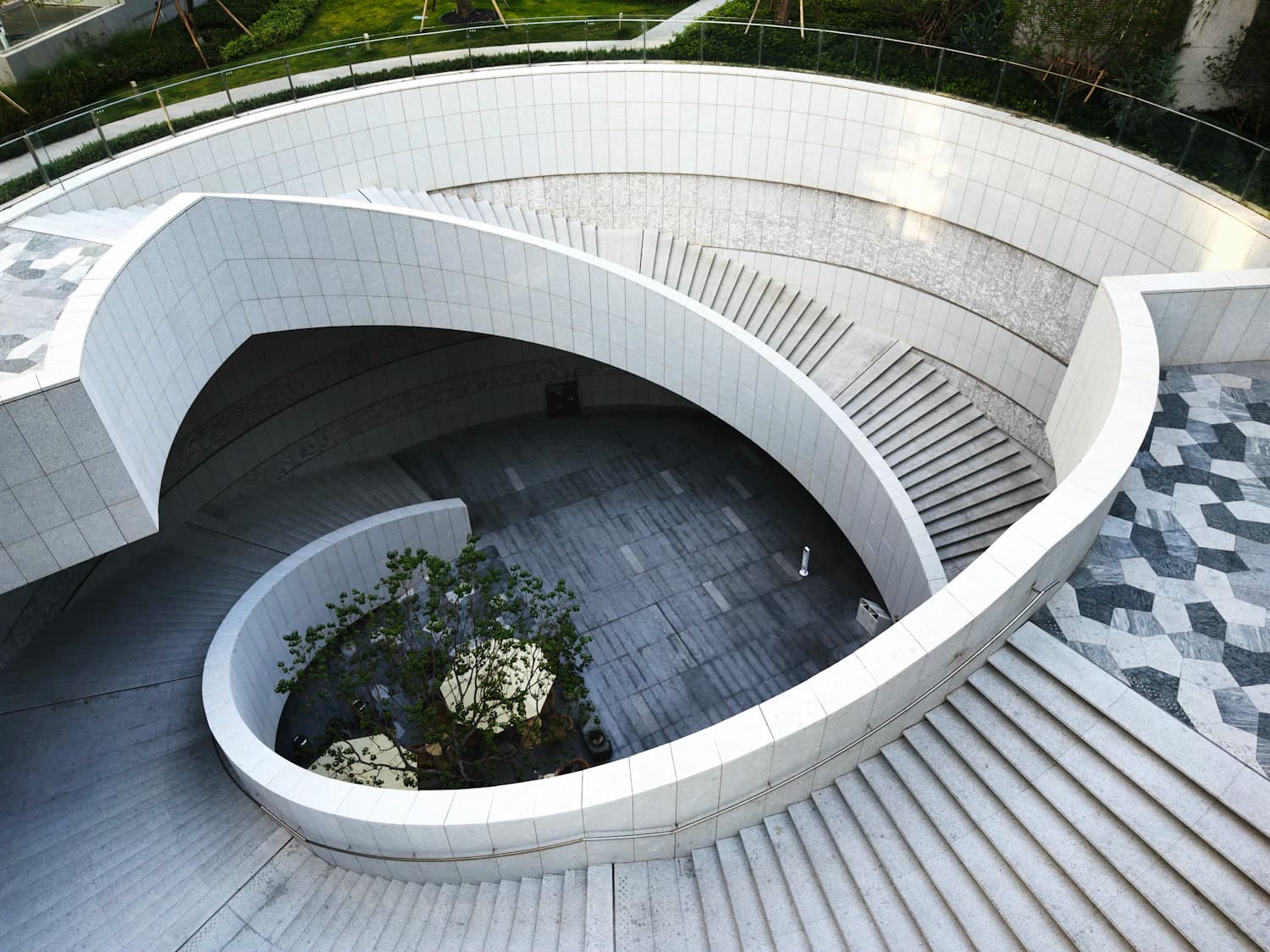
Space. Purpose.
Enduring value.
01Start with the asset
Quality begins with fundamentals.
A compelling building is only the beginning. We look at the demand, the operating reality and the terms behind it.
Verifiable demand
Identify who uses the space, why they choose it and whether that demand can sustain realistic rents or operating income.
Operating fundamentals
Reconcile revenue, occupancy, expenses and maintenance with records that can be checked.
Executable improvement
Define practical changes to the product, operations, leases or capital expenditure, with accountable delivery.
Appropriate capital
Assess the entry price, financing terms and exit options together, with room for uncertainty.
02Where we focus
Different spaces. The same discipline.
 01
01Residential & Living
Homes and rental accommodation where resident needs, attainable rents and the cost of a well-maintained building can be understood together.
 02
02Hospitality & Leisure
Hospitality assets assessed through guest demand, seasonality and operating execution, with attention to what remains after distribution and service costs.
 03
03Commercial Assets
Retail, office and mixed commercial space assessed through tenant economics, lease quality and the relevance of the building to its surrounding market.
 04
04Industrial & Logistics
Production, storage and distribution space where building specifications, transport access and tenant requirements determine how useful an asset will remain.
These are investment research areas. Every opportunity is assessed individually. Photography is illustrative and does not represent assets owned or managed by Terracerno.

03A nationwide lens
A national perspective. A local assessment.
Cities do not perform in the abstract. We examine local demand, industry, competing supply, operating records and transaction terms.
Established urban clusters
Housing needs, household affordability, business activity and the depth of local leasing markets.
Regional centres
Population support, industrial composition and the durability of employer and occupier demand.
Leisure destinations
Repeat demand, accessibility, seasonality and an operating model that works beyond peak periods.
Production & supply-chain locations
Transport connections, tenant requirements, building suitability and competing supply.
04From opportunity to ownership
A clear process. At every stage.
Research
A source register, demand thesis and initial investment model.
Assess
A diligence work plan, costed improvements and scenario analysis.
Structure
A proposed structure, responsibility schedule and decision conditions.
Operate
An operating budget, reporting rhythm and accountable action plan.
Review ownership
A documented comparison of continued ownership, partnership and disposal.
05The discipline of ownership
Capital discipline supports long-term ownership.
A property’s potential must be matched by the capacity to hold it through different operating conditions.
Financing, reserves & ownershipOperating cash flow
Review the cash available after operating needs.
Debt & duration
Match repayment obligations with the holding plan.
Reserves & renewal
Plan for maintenance, improvements and liquidity.
Ownership options
Compare holding, partnership and exit over time.
Financing is a capital tool. Borrowed funds are not profit.
06Research & perspectives
The thinking behind the decisions.
Investment fundamentals · 5 min read
What Makes a Real Estate Asset Investable?
A good building is only the starting point. An investable asset connects demonstrable demand, understandable operations and an executable capital plan at a price that leaves room for uncertainty.
Property operations · 5 min read
From Revenue to Cash Flow: Understanding Property Operations
Revenue describes only part of a property’s performance. A useful operating review follows money from income earned to cash collected, recurring expenses, capital work and debt service.
Capital discipline · 5 min read
Financing, Reserves and Long-Term Ownership
Financing is a tool for arranging capital over time. Its usefulness depends on operating cash flow, maturity dates, liquidity reserves and the options available if assumptions change.
Build a considered partnership
Good partnerships start with a conversation.
Different perspectives. A shared focus on the underlying asset.